
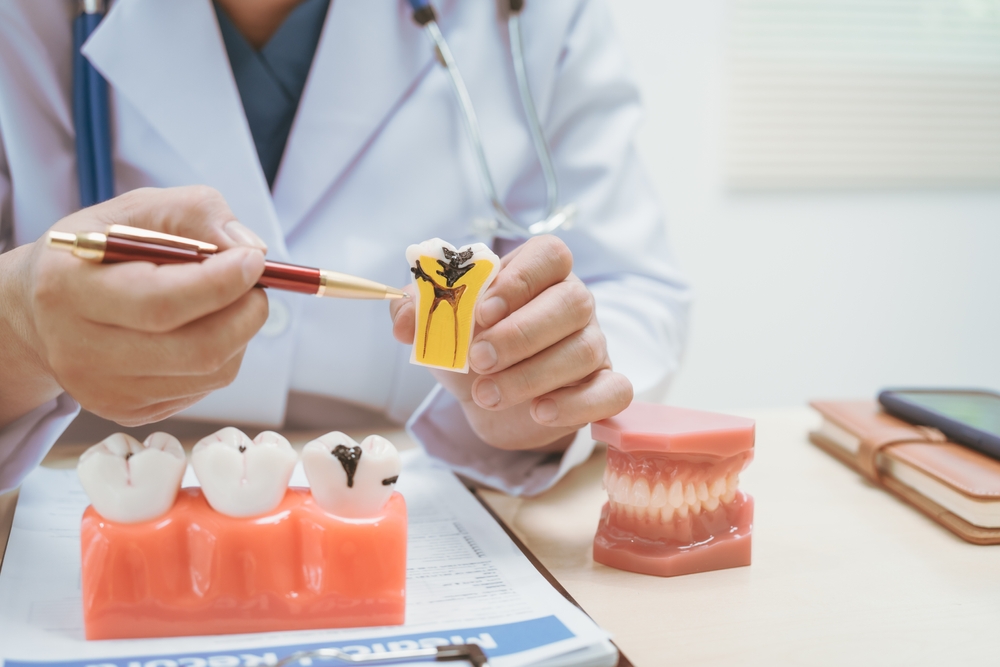
Wisdom teeth, commonly referred to as third molars, can cause complications when there is insufficient room for them to grow properly. In some cases, wisdom teeth become infected and cause pain, swelling, and discomfort. If you are having problems related to your wisdom teeth, visiting your dentist to discuss wisdom teeth extractions in Red Deer can help fix the issue.
Signs of Infected Wisdom Teeth
Early recognition of a wisdom tooth infection can minimize pain and prevent more serious issues. Signs of an infected wisdom tooth include:
- Severe or non-remitting pain around the back of the mouth,
- Swelling in the jaw or gum areas,
- Redness and tenderness or inflamed gums in the wisdom tooth area,
- A bad taste in your mouth, difficulty in opening your mouth or swallowing
- Close to a fever in severe situations.
If you are experiencing any of these signs, you should consult a dentist in Red Deer soon.
Causes of Wisdom Tooth Infections
Wisdom tooth infections typically arise from partially erupted or impacted teeth, which can create a flap of gum tissue that holds food and bacteria. In addition, bad oral hygiene, pre-existing gum disease, or a crowded mouth are also factors that contribute to wisdom teeth infections. Routine dental checkups and seeking the removal of wisdom teeth sooner rather than later can prevent an infection from occurring in the first place.
How to Treat Wisdom Tooth Infection
The severity of a wisdom tooth infection determines the treatment plan. The following are common treatment plans:
- Professional Cleaning: When an infection is still mild, your dentist may clean your mouth to remove debris and bacteria trapped around the area.
- Antibiotics: If the infection is extensive, your doctor may prescribe you antibiotics to prevent the infection from progressing.
- Pain Relief: Over-the-counter medication may relieve any ill feelings or irritation you may be having.
- Extraction: Wisdom teeth that are severely infected or impacted will likely need to be removed or extracted to prevent infection later.
Working with the dentist near you indicates that they are correctly addressing your treatment plan as per your stage of treatment.
Pain Relief for Wisdom Tooth Infection
Managing pain while waiting for treatment is crucial for comfort. Some pain relief for wisdom tooth infection methods include:
- Rinse with warm salt water to help relieve the inflammation.
- Take over-the-counter anti-inflammatory medication, ibuprofen or acetaminophen,
- Apply a cold pack to the outside of your jaw for swelling,
- Do not eat or drink hot, cold, or sugary samples if they are elevating your discomfort,
These methods help ease symptoms but do not replace professional treatment.
Caring for Infected Wisdom Teeth
Proper care is vital to prevent the infection from worsening. Tips for caring for infected wisdom teeth include:
- Practice excellent oral hygiene, making sure to gently brush your teeth and floss around the area where the infected tooth is located.
- Rinse with an antibacterial mouth rinse (if you can) in order to reduce bacteria build-up to prevent bacteremia from becoming systemic.
- Avoid hard, crunchy, or chewy foods to irritate the area that is afflicted.
- Avoid smoking or consuming alcohol; both slow the healing process and could make the infection worse.
When to Seek Immediate Care
Anogeny of a wisdom tooth infection can develop quickly, and it is important to seek immediate care when you notice any of these wisdom tooth infection symptoms:
- You are having swelling that is spreading to either side of your neck or face.
- You are also finding it difficult to breathe, or swallowing is painful.
- You are having a fever or chills, which could be signs of an infectious process progressing to your system.
- You are having severe pain, which is also not manageable.
When progress with intervention is made, the likely positive outcome means less treatment and fewer complications.
Preventing Wisdom Tooth Infections
Preventions help reductions of factors of infection methods such as:
- Going to the dentist for regular visits and a professional check of your wisdom teeth to monitor growth.
- Removal of teeth, if necessary, in a timely manner when impacted or erupting could be less problematic than not.
- Establishing a consistent oral hygiene practice, daily, to prevent plaque buildup on and between your teeth.
- Use rinse or mouthwash after meals if you can to aid in removing food debris that gets caught.
Practicing preventive measures consistently could lower the risk of a potential wisdom tooth infection by maintaining your oral health.
Protect Your Oral Health Today
A wisdom tooth infection can be painful, can not only create an infection in your dental and oral health, but can also feel unmanageable; however, caring for the infected wisdom tooth will make your symptoms manageable. Understanding your symptoms and knowing when to get professional care is a critical part of managing your oral health, as well as supporting your gums or maintaining your teeth.
At Heritage Family Dental, our team is ready to provide expert care and guidance for your oral health needs. Schedule an appointment today to ensure your smile stays healthy and comfortable.